
Emergency Helpline Numbers

Safety Guidelines
Medical Emergency
- Heart attack or chest pain
- Difficulty breathing
- Stroke symptoms
- Severe bleeding
- Burns and electric shock
- Poisoning
- Serious fractures
- Unconsciousness
- Stay calm and assess the situation.
- Call 108 immediately.
- Give first aid only if trained.
- Keep the patient comfortable.
- Wait for medical professionals.
Ea, consequatur.
- Control bleeding with clean cloth.
- Perform CPR if trained.
- Keep burn injuries under cool water.
- Do not give food or water to an unconscious person.
- Do not panic.
- Do not move a seriously injured person.
- Do not give medicines without advice.
- Do not crowd around the patient.
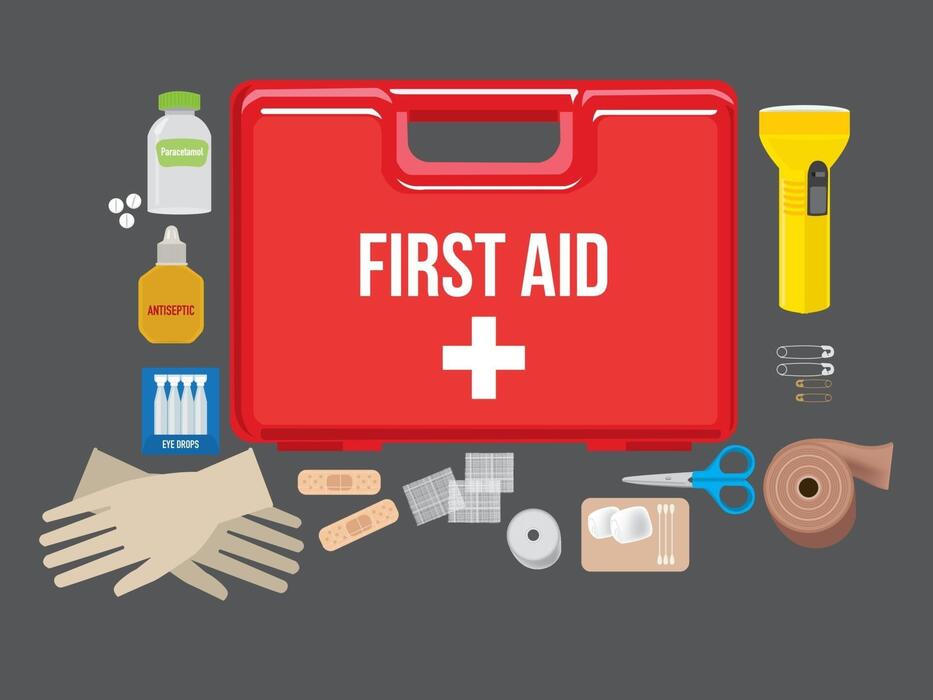
- Bandages
- Antiseptic
- Cotton
- Pain relief medicine
- Gloves
- Scissors
- Thermometer
Fire Emergency
- House or building fires
- Electrical fires
- Kitchen or gas cylinder fires
- Forest or grass fires
- Vehicle fires
- Chemical or industrial fires
- Short circuit fires
- LPG gas leaks
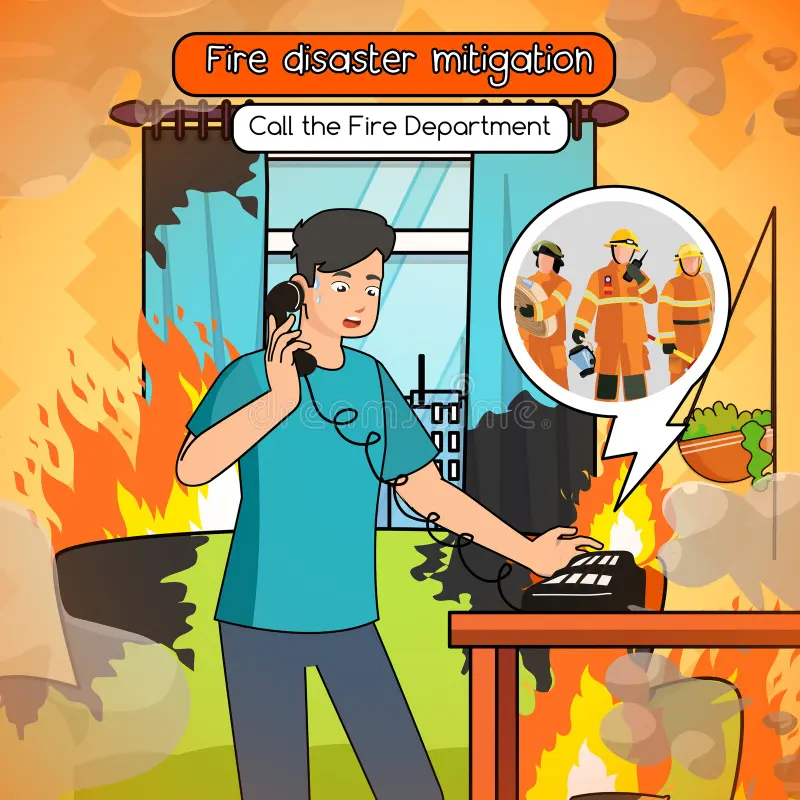
- Stay calm and raise the fire alarm.
- Call 101 or 112 immediately.
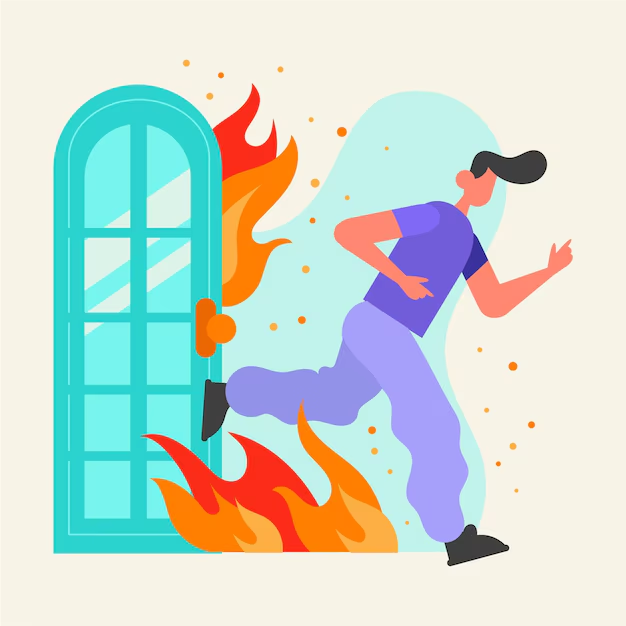
- Evacuate the building using the nearest exit.
- Crawl low if there is heavy smoke.
- Help children, elderly people, and persons with disabilities.
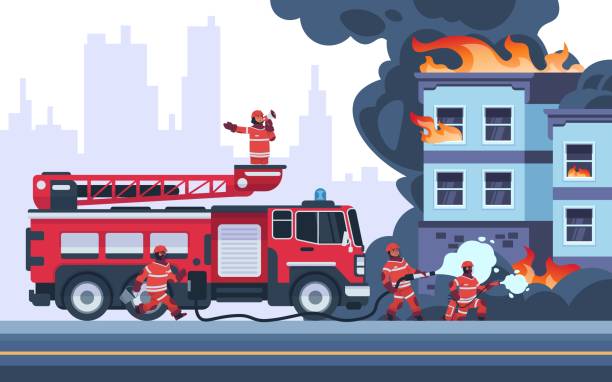
- Move to a safe location and wait for firefighters.
- Keep fire extinguishers easily accessible.
- Regularly check electrical wiring and appliances.
- Turn off gas cylinders after use.
- Keep flammable materials away from heat sources.
- Install smoke detectors at home and workplaces.
- Practice emergency evacuation drills regularly.
- Never use elevators during a fire.
- Do not throw water on electrical or oil fires.
- Do not re-enter a burning building.
- Do not block emergency exits.
- Never ignore the smell of gas or smoke.
- Do not panic or create unnecessary crowding.
- Fire extinguisher
- First aid kit
- Flashlight
- Emergency contact list
- Face mask
- Battery-powered radio
- Emergency blanket
- Drinking water and essential medicines
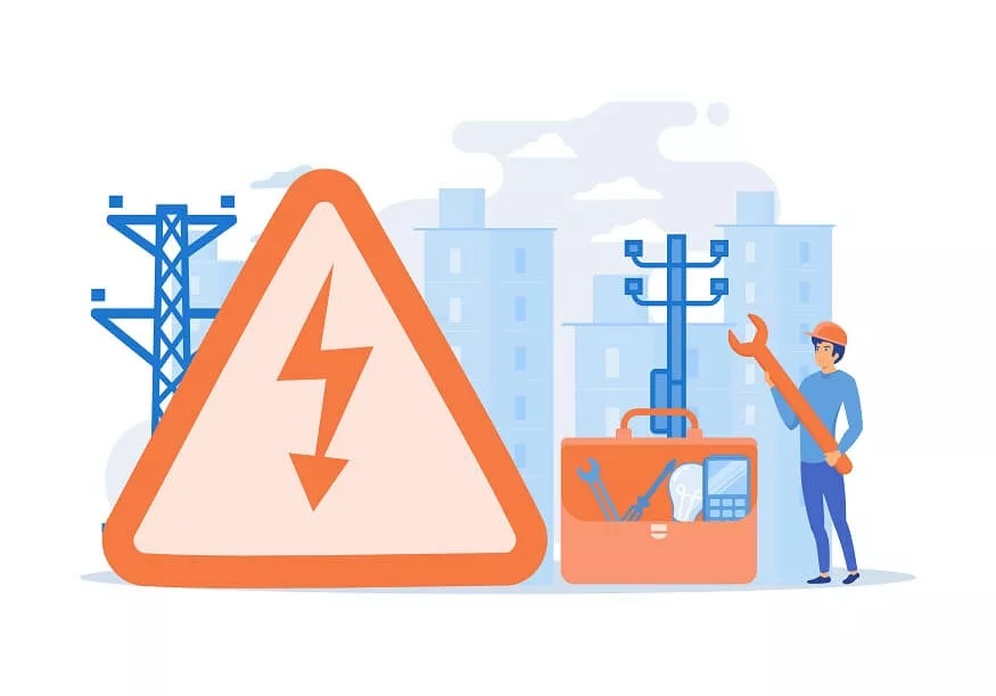
Electricity Emergency
- Power outages or blackouts
- Exposed or damaged electrical wires
- Electrical short circuits
- Electric shock incidents
- Transformer failures
- Sparking electrical outlets or switches
- Fallen power lines
- Electrical fires
- Switch off the main power supply if it is safe to do so.
- Call the electricity emergency helpline immediately.
- Stay away from exposed or fallen power lines.
- If someone receives an electric shock, disconnect the power source before helping.
- Use a dry wooden or plastic object to separate the victim from the electrical source.
- Seek immediate medical assistance if anyone is injured.
- Avoid overloading electrical sockets.
- Replace damaged wires and electrical appliances promptly.
- Keep electrical devices away from water.
- Use certified electrical equipment and extension cords.
- Regularly inspect home and office wiring.
- Turn off electrical appliances when not in use.
- Never touch exposed wires with bare hands.
- Do not use electrical appliances with wet hands.
- Never pour water on an electrical fire.
- Do not attempt to repair high-voltage equipment yourself.
- Never go near fallen power lines.
- Do not ignore burning smells or electrical sparks.
- Insulated gloves
- Flashlight with spare batteries
- Fire extinguisher (Class C)
- Voltage tester
- Emergency contact numbers
- First aid kit
- Rubber-soled footwear

Disaster Management
Flood Safety
Floods can occur due to heavy rainfall or overflowing rivers. Move to higher ground immediately, avoid walking or driving through floodwater, switch off electricity if it is safe to do so, and follow instructions issued by local authorities. Keep an emergency kit with drinking water, food, medicines, and important documents ready.
Heat Wave Safety
During extreme heat, stay indoors during the hottest part of the day, drink plenty of water, wear light-colored cotton clothing, and avoid strenuous outdoor activities. Never leave children or elderly people inside parked vehicles, and seek immediate medical attention if you experience symptoms of heat exhaustion or heat stroke.
Heavy Rain Safety
Stay indoors during heavy rainfall and avoid flooded roads, bridges, and low-lying areas. Keep your mobile phone charged, store essential supplies, and monitor weather updates. Be cautious of falling trees, electric poles, and slippery roads. Avoid unnecessary travel until weather conditions improve and local authorities declare it safe.
Earthquake Safety
If an earthquake occurs, Drop, Cover, and Hold On until the shaking stops. Stay away from windows, glass, and heavy furniture. After the earthquake, move to an open area, avoid damaged buildings, and check for injuries or gas leaks before re-entering any structure. Follow official emergency instructions and prepare for possible aftershocks.
Live Weather Updates